Thailand has become one of the most discussed destinations in the world when it comes to cannabis and health-oriented therapies. For many travelers, expats, digital nomads, and long-term residents, Phuket represents not only a tropical paradise but also a place where alternative wellness approaches are increasingly visible. At the same time, cannabis regulation in Thailand remains complex, evolving, and often misunderstood. This creates uncertainty for people who want to use cannabis strictly for health purposes while avoiding legal issues.
This article offers a detailed, practical, and up-to-date overview of cannabis rules in Thailand with a special focus on safe health therapy in Phuket. It explains how the law works in practice, what is allowed, what remains restricted, and how individuals can responsibly integrate cannabis-based wellness into their lifestyle without exposing themselves to legal or medical risks.
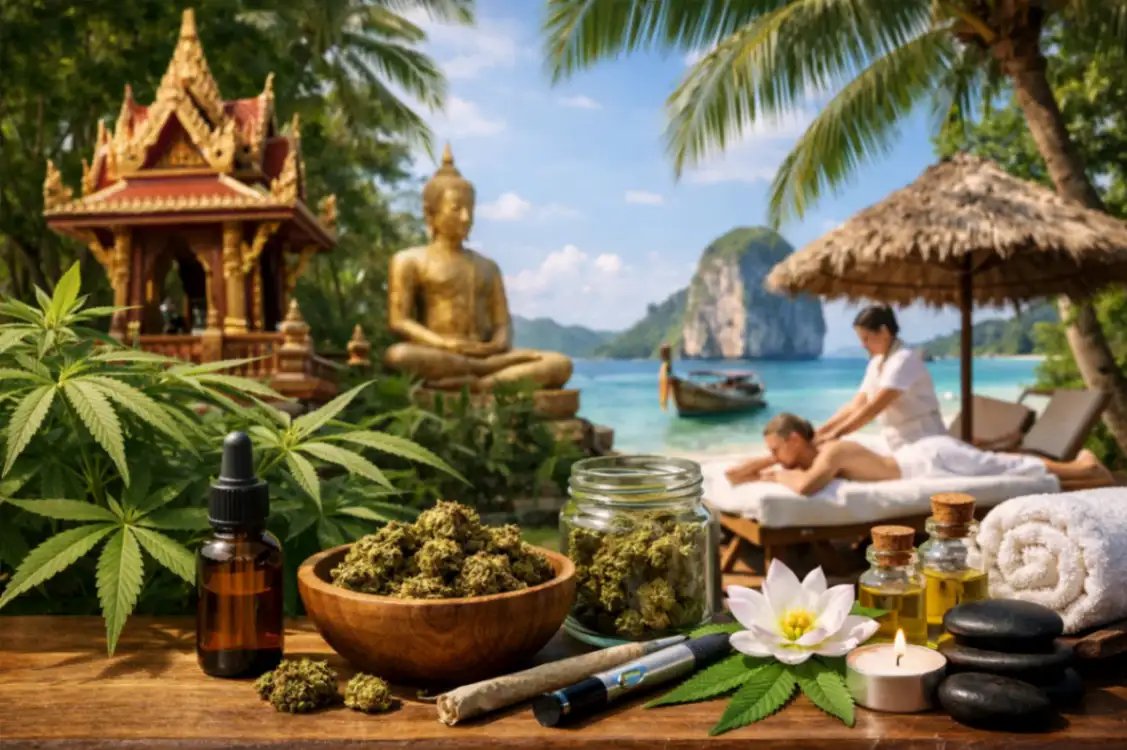
Understanding Cannabis Legalization in Thailand
Thailand made global headlines when it became the first country in Southeast Asia to decriminalize cannabis. However, decriminalization does not mean complete freedom of use. Cannabis was removed from the narcotics list, but its legal status is defined through a combination of health laws, ministerial regulations, and public health policies. This hybrid model aims to promote medical and wellness use while preventing recreational abuse and protecting public order.
In practical terms, cannabis in Thailand is regulated as a controlled plant rather than a prohibited drug. Certain parts of the plant are treated differently under the law, and the purpose of use plays a crucial role in determining legality. Medical, therapeutic, and health-related uses are broadly tolerated, especially when connected to traditional Thai medicine, licensed clinics, or wellness programs. Recreational use, particularly smoking in public or causing nuisance, remains a legal risk.
Phuket, as an international tourist destination, reflects this dual approach very clearly. Cannabis-related businesses exist openly, yet they operate within a legal gray zone that requires careful compliance. Understanding the intent of the law is essential: Thailand seeks to position cannabis as part of its health economy, not as an unrestricted recreational substance. For individuals, this means that intention, setting, and behavior matter as much as the substance itself.
Legal Status of Cannabis for Medical and Wellness Use
Medical cannabis in Thailand is legally recognized and regulated by the Ministry of Public Health. Cannabis can be used for therapeutic purposes when it aligns with approved medical conditions, traditional Thai medicine, or wellness treatments supervised by licensed professionals. This legal framework is particularly relevant in Phuket, where wellness tourism and integrative health clinics are widespread.
Below is a simplified overview of how cannabis use is categorized under Thai regulations, which helps clarify what is generally permitted and what may involve legal risks.
| Type of Use | Legal Status in Thailand | Practical Notes in Phuket |
|---|---|---|
| Medical treatment | Legal with supervision | Clinics and hospitals can prescribe |
| Traditional Thai medicine | Legal | Often integrated into wellness centers |
| CBD-based products | Widely permitted | Must meet THC limits |
| Personal health therapy | Tolerated in private | Public use still risky |
| Recreational smoking | Not clearly legal | Can lead to fines or charges |
This distinction highlights a critical point: legality is closely tied to health orientation and responsible use. Medical cannabis prescriptions, wellness consultations, and therapeutic programs provide a strong legal foundation. In contrast, casual or public consumption without a health context can quickly lead to legal complications, especially if complaints are filed or public disturbance occurs.
For residents and visitors in Phuket, the safest approach is to treat cannabis as a health-supporting substance rather than a recreational product. Documentation, discretion, and choosing reputable providers significantly reduce legal exposure.
Permitted Cannabis Products and Usage Guidelines
Not all cannabis products are treated equally under Thai law. The legal status depends on THC content, form of consumption, and intended purpose. Understanding these distinctions is crucial for anyone seeking safe cannabis therapy in Phuket.
Before using any cannabis-related product, it is important to recognize what is generally accepted and what requires caution. The following list outlines common cannabis product categories and their typical legal treatment in Thailand:
- CBD oils and extracts with low THC content are widely available and commonly used for stress, sleep, and pain management under wellness frameworks.
- Herbal cannabis preparations used in traditional Thai medicine are legally permitted when prepared by licensed practitioners.
- Edibles and infused products exist in a regulatory gray zone and should be consumed only in private settings.
- Dried cannabis flowers are legal to possess but smoking them in public spaces can violate public nuisance laws.
- Concentrates with high THC levels carry higher legal risks and should be avoided without medical oversight.
These guidelines reflect how enforcement works in reality. While possession itself is often not punished, the method and location of use matter greatly. In Phuket, authorities tend to focus on public order, safety, and tourism image. Complaints from neighbors, hotel policies, or visible public use can trigger enforcement actions even if the substance itself is not illegal.
For health-focused individuals, non-smoking methods such as oils, capsules, or topical applications are both legally safer and medically preferable. They align more closely with the government’s vision of cannabis as a therapeutic tool rather than a recreational drug.
Cannabis Clinics and Licensed Providers in Phuket
One of the safest ways to use cannabis for health purposes in Phuket is through licensed clinics and wellness providers. These establishments operate under Thai health regulations and often employ doctors trained in both modern and traditional medicine. They provide consultations, dosage guidance, and legally compliant products.
Cannabis clinics in Phuket typically focus on pain management, anxiety reduction, sleep disorders, inflammation, and chronic conditions. The consultation process usually involves a health assessment, discussion of symptoms, and recommendation of appropriate cannabis-based therapy. This medical context offers strong legal protection, as the use is clearly linked to health care.
Wellness centers often integrate cannabis therapy into broader programs that include massage, meditation, physiotherapy, and herbal treatments. This holistic approach aligns with Thai cultural traditions and strengthens the legitimacy of cannabis use. For expats and long-term residents, establishing a relationship with a licensed provider also helps ensure continuity of care and legal clarity.
Choosing reputable clinics is essential. Licensed providers display official documentation, operate transparently, and avoid promoting irresponsible consumption. This not only protects users legally but also ensures product quality and safety, which is critical for therapeutic outcomes.
Legal Risks, Penalties, and How to Avoid Them
Despite decriminalization, legal risks still exist for cannabis users in Thailand. Most problems arise not from possession but from behavior. Public consumption, smoking in shared spaces, driving under influence, or selling cannabis without a license can lead to fines, arrest, or more serious charges.
In Phuket, enforcement is often reactive rather than proactive. This means issues usually arise after complaints or visible violations. Hotels, condominiums, and residential communities frequently have strict no-smoking policies, including cannabis. Violating these rules can lead to eviction, fines, or police involvement.
To avoid legal trouble, discretion and respect for local norms are essential. Using cannabis privately, avoiding public smoking, and complying with property rules significantly reduce risk. Transporting cannabis should be done discreetly, and cross-border movement with cannabis remains illegal and strictly enforced.
Another important aspect is driving. Operating a vehicle under the influence of cannabis is illegal and treated similarly to alcohol impairment. Police checks in Phuket are common, especially in tourist areas, and penalties can be severe. Responsible use means separating cannabis therapy from activities that require alertness and coordination.
Cannabis and Wellness Tourism in Phuket
Phuket has positioned itself as a global wellness destination, and cannabis therapy increasingly forms part of this ecosystem. Wellness tourism focuses on preventive health, stress reduction, and lifestyle improvement rather than treatment of illness alone. Cannabis, when used responsibly, fits naturally into this model.
Many visitors come to Phuket seeking relief from burnout, chronic stress, or physical pain. Under professional guidance, cannabis-based therapies can support relaxation, sleep, and recovery. The tropical environment, combined with holistic wellness programs, creates a setting where therapeutic use feels natural and culturally integrated.
However, wellness tourism also requires awareness of legal boundaries. Tourists must understand that rules in Thailand differ significantly from countries with fully legalized recreational cannabis. Respecting these differences is key to a positive and safe experience.
Wellness-focused cannabis use in Phuket is most successful when approached as part of a structured health journey rather than casual experimentation. This mindset aligns with both legal expectations and long-term health benefits.
Responsible Use and Cultural Sensitivity
Thai society places high value on harmony, respect, and public order. Cannabis use that disrupts others or disrespects cultural norms is likely to attract negative attention. Responsible use is not only a legal issue but also a social one.
Cultural sensitivity includes understanding where and how cannabis use is appropriate. Temples, beaches, markets, and public streets are not suitable places for consumption. Private residences, licensed clinics, and designated wellness spaces are the appropriate settings.
Communication also matters. Openly discussing cannabis in a medical or wellness context is generally accepted, while promoting recreational use can be frowned upon. This distinction reflects Thailand’s broader approach to cannabis as a health-related substance.
For foreigners in Phuket, demonstrating respect for local laws and customs builds trust and reduces the likelihood of legal problems. Responsible behavior contributes to the sustainability of cannabis reform and protects access for those who genuinely benefit from therapeutic use.
The Future of Cannabis Regulation in Thailand
Cannabis regulation in Thailand continues to evolve. Political debates, public opinion, and international pressure all influence future policy changes. While the overall trend supports medical and wellness use, authorities remain cautious about recreational legalization.
In the coming years, clearer licensing systems, stricter quality controls, and more defined usage guidelines are expected. This may actually benefit responsible users by reducing uncertainty and standardizing practices. Phuket, as a major tourism hub, is likely to remain at the forefront of regulated cannabis wellness services.
For individuals, staying informed about regulatory updates is essential. Laws can change, and assumptions based on past experiences may no longer apply. Engaging with licensed providers and reputable sources ensures continued compliance and safety.
Conclusion
Cannabis use in Thailand, and particularly in Phuket, offers genuine opportunities for safe and effective health therapy when approached responsibly. While decriminalization has opened new doors, it has not removed all legal boundaries. Understanding the legal framework, choosing appropriate products, working with licensed providers, and respecting cultural norms are the foundations of risk-free cannabis use.
Phuket’s wellness-oriented environment makes it an ideal place for therapeutic cannabis integration, provided that users prioritize health, discretion, and legality. By treating cannabis as a supportive health tool rather than a recreational indulgence, individuals can benefit from its potential while avoiding legal complications. In Thailand, safe cannabis use is not about freedom without limits, but about balance, responsibility, and respect.


 BED AND BREAKFAST IN ITALY
 SUNSTREAMS CONSULTING